
Solar-Powered Weather Station Design: Sizing PV Systems & Data Logger Selection
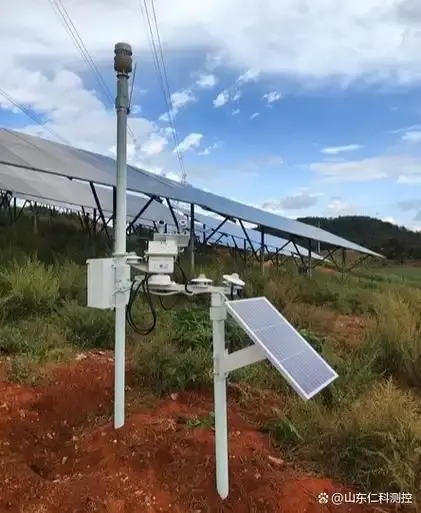
The vast majority of meteorological stations, hydrological monitoring posts, and agricultural research plots are situated in remote rural regions where grid electrical power is unavailable or economically unviable.
An autonomous solar powered weather station must operate reliably without on-site human intervention for months at a time. This engineering guide outlines how to calculate electrical power budgets, select the right industrial environmental data logger, and size photovoltaic arrays for continuous off-grid reliability.
1. The Core Architecture of an Off-Grid Station
An autonomous remote station relies on a seamless balance between energy harvesting, energy storage, data acquisition, and cellular telemetry:
1.1 The Environmental Data Logger
The data logger acts as the system brain. Key evaluation criteria include:
- Multi-Channel Sensor Inputs: Dedicated RS485 serial ports supporting Modbus-RTU, SDI-12 communication, and high-frequency pulse inputs for instruments like a tipping bucket rain gauge.
- Switched Sensor Power: The logger should sleep in ultra-low quiescent power states (below 5 mA) and energize sensors like multi-parameter temperature and humidity probes only during active measurement cycles.
- Rugged Enclosure: Look for IP66-rated cast aluminum or polycarbonate NEMA 4X enclosures equipped with Gore-Tex breathing vents to prevent internal moisture condensation.
2. Sizing Solar Panels & Battery Autonomy
A frequent mistake in off-grid engineering is under-sizing power reserves for seasonal winter conditions:
Step 1: Calculate Daily Power Budget ($P_d$)
Sum the average current draw of all active instruments, including modems, loggers, and continuous-sampling sensors such as the VT-WDS2E Ultrasonic Wind Sensor. Multiply by 24 hours to obtain daily Amp-hour ($Ah$) demand.
Step 2: Battery Autonomy Sizing
Commercial standards dictate a minimum of 7 to 10 days of continuous battery autonomy to sustain operation through uninterrupted cloudy or snowy periods. Deploying Lithium Iron Phosphate ($LiFePO_4$) chemistry provides superior cold-temperature discharge characteristics and deeper discharge cycles (up to 80% DoD) compared to legacy lead-acid batteries.
Step 3: Photovoltaic (PV) Sizing
Size the solar panel array based on the site's worst-case month (typically December or January in the Northern Hemisphere). The panel wattage must generate enough energy during short winter peak sun hours (PSH) to both run the station and recharge depleted batteries.
3. Integration into Comprehensive Monitoring Platforms
Off-grid autonomous power and telemetry form the technological backbone of turnkey smart agricultural weather stations and automated precision irrigation scheduling systems. Standardizing on industrial Modbus architectures simplifies future sensor additions without requiring complete station rewiring.
Conclusion
Designing a rugged solar-powered weather station guarantees continuous operational visibility across the most remote outdoor locations. Contact the Virtue Instrument technical team for custom solar power calculations and pre-wired telemetry cabinet integration.