
Smart Agricultural Weather Stations: Complete System Selection Guide
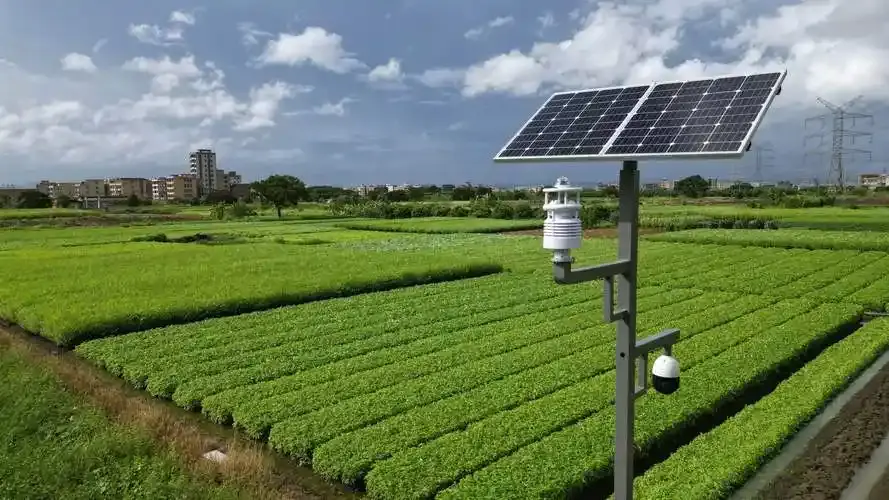
Modern precision agriculture depends on accurate localized microclimate intelligence. Macro-scale meteorological forecasts frequently fail to capture field-level temperature inversions, localized frost pockets, and rapid soil moisture evaporation.
Deploying an automated weather monitoring system enables farm operators, commercial orchards, and greenhouse facilities to transition from scheduled guesswork to data-driven irrigation and disease prevention.
This comprehensive selection guide outlines the foundational architecture of an agricultural automatic weather station, detail key multi-parameter sensor requirements, and explain how to design autonomous remote installations.
1. System Architecture: Beyond Standalone Sensors
An agricultural monitoring platform must survive harsh outdoor operating conditions year-round. A dependable off-grid station integrates four core sub-systems:
- Atmospheric & Surface Sensing: Quantifying ambient temperature, humidity, atmospheric pressure, solar radiation, wind speed, and precipitation.
- Telemetry & Data Logging: Aggregating industrial sensor inputs via RS485/Modbus-RTU into an industrial environmental data logger for cellular or LoRaWAN upload.
- Autonomous Power Supply: Sizing photovoltaic panels and lithium storage to guarantee uninterrupted logging across extended overcast winter days.
- Agronomic Decision Software: Converting raw microclimate measurements into actionable metrics like reference evapotranspiration ($ET_0$) and growing degree days (GDD).
2. Key Sensors Required for Agricultural Weather Monitoring
2.1 Precipitation & Rainfall Intensity
Tracking water input from rainfall is mandatory for maintaining water balance equations and preventing crop over-saturation. Precision rainfall measurement requires calibrated tipping-bucket mechanisms engineered to shed debris and handle torrential precipitation bursts. For a full review of mechanical calibration and funnel maintenance, see our dedicated Tipping Bucket Rain Gauge Guide.
2.2 Air Temperature, Relative Humidity & Barometric Pressure
Extreme heat and excessive moisture create optimal breeding grounds for fungal crop blights and insect infestations. Temperature and humidity probes must be properly ventilated and shielded from solar thermal loading. Read our engineering breakdown on Temperature, Humidity & Barometric Pressure Sensors to understand multi-plate radiation shielding and condensation recovery.
2.3 Wind Velocity for Spray Drift & Evapotranspiration
Wind speed affects crop transpiration rates and dictates safe operating windows for pesticide or fertilizer spraying to prevent chemical drift. Solid-state instruments such as the VT-WDS2E Ultrasonic Wind Sensor provide maintenance-free wind vector data without mechanical bearing degradation from agricultural dust and spraying chemicals.
3. From Raw Data to Actionable Irrigation Scheduling
Installing high-grade hardware is only the initial step; the true ROI stems from utilizing collected datasets to manage water resources. Discover how combining wind, solar radiation, and humidity data enables automated precision watering in our practical application guide on Precision Farming Sensors & Irrigation Scheduling.
4. Environmental Siting & Installation Standards
- Canopy Height Considerations: Mount atmospheric probes above the maximum expected crop canopy height to avoid micro-canopy microclimate distortion.
- Ground Surface Representative: Install stations over natural grass or uncultivated natural soil typical of the regional agricultural zone, avoiding paved roadways or gravel pads.
- Grounding & Surge Suppression: Remote field masts act as prominent lightning rods; install dedicated copper grounding rods bonded to the mounting mast and data logger chassis.
Conclusion
Deploying a customized agricultural weather monitoring network safeguards crop health while conserving valuable water and energy resources. Contact the Virtue Instrument engineering team to design a tailored sensor package and remote telemetry system for your agricultural operations.