
Optimizing Winter Highway Maintenance: How RWIS Sensors Guide Proactive Anti-Icing & Salt Brine Application
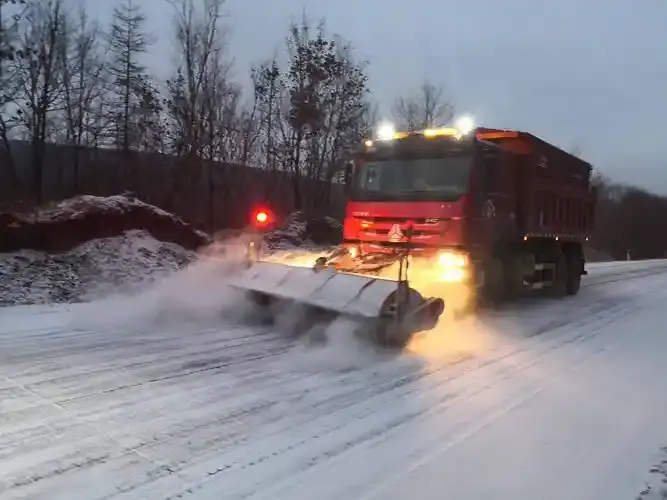
Winter storms cost highway maintenance authorities billions annually in chemical deicing materials, vehicle fuel, and pavement repair. Historically, maintenance operations were reactive: snowplow operators waited for snow to accumulate or ice to form before deploying solid rock salt.
However, breaking the bond between ice and asphalt after it has already formed requires up to five times more chemical salt than preventing that bond from forming in the first place. Adopting proactive anti-icing strategies guided by our smart highway weather monitoring solutions saves up to 40% in material costs while keeping road networks open.
1. The Science of Proactive Anti-Icing vs. Reactive Deicing
Anti-icing involves spraying liquid chemical brine (typically 23% sodium chloride, magnesium chloride, or calcium chloride) directly onto dry pavement hours before a winter storm arrives:
- Preventing the Frost Bond: Liquid brine penetrates asphalt surface voids, creating a non-stick chemical barrier that prevents freezing precipitation from bonding with the road aggregate.
- Snowpack Prevention: When snowflakes strike the treated asphalt, they melt into slush that heavy highway traffic or high-speed snowplows can easily push away, preventing hard-packed ice ridges.
2. Key RWIS Parameters Governing Chemical Application
Spraying salt brine at the wrong time or at incorrect application rates wastes public funds and accelerates bridge corrosion. Modern RWIS outstations monitor three critical thermodynamic parameters:
1. Pavement Surface Temperature ($T_s$) vs. Air Temperature ($T_a$)
Air temperature does not equal asphalt temperature. On cold, clear winter mornings, thermal radiation can cause pavement surface temperatures to drop 4°C to 8°C below ambient air temperatures. Conversely, heat stored in deep asphalt layers can keep roads above 0°C even when air drops below freezing. Road managers must base salt decisions strictly on surface infrared readings.
2. Surface Dew Point & Frost Point Dynamics
When pavement surface temperature ($T_s$) falls below both the ambient dew point and 0°C, atmospheric moisture condenses and freezes directly onto aggregate pores, creating invisible, lethal black ice. Real-time atmospheric sensors warn operators 30 to 60 minutes before the dew-point crossing occurs. For humidity sensor dynamics, explore our Temperature, Humidity & Pressure Sensor Radiation Shielding Guide.
3. Dynamic Friction Coefficient (Grip $\mu$)
Non-invasive road state sensors continuously calculate surface grip ($mu$). Dry pavement provides a friction coefficient between 0.80 and 0.82; standing water lowers grip to 0.50~0.65; while glaze ice drops friction down to an uncontrollable 0.10~0.20. When grip drops below programmed thresholds, maintenance dispatchers immediately trigger targeted salt truck routes.
3. Reducing Environmental Chloride Runoff
Excessive sodium chloride application damages roadside vegetation, contaminates local watersheds, and accelerates rebar corrosion in concrete infrastructure. By leveraging precise RWIS telemetry, highway districts apply only the exact brine dosage required for the anticipated precipitation volume, slashing runoff and ensuring compliance with regional environmental mandates.
Conclusion
Modern RWIS sensor technology transforms winter highway maintenance from guesswork into precision chemistry. Eliminating unnecessary salt runs protects public infrastructure budgets and keeps critical freight corridors moving safely. Contact the Virtue Instrument team to explore non-invasive road sensor integration, solar-powered RWIS outstations, and customized transportation protocols.