
Top 10 Weather Sensor Manufacturers & Brands in 2026: An Engineering Comparison
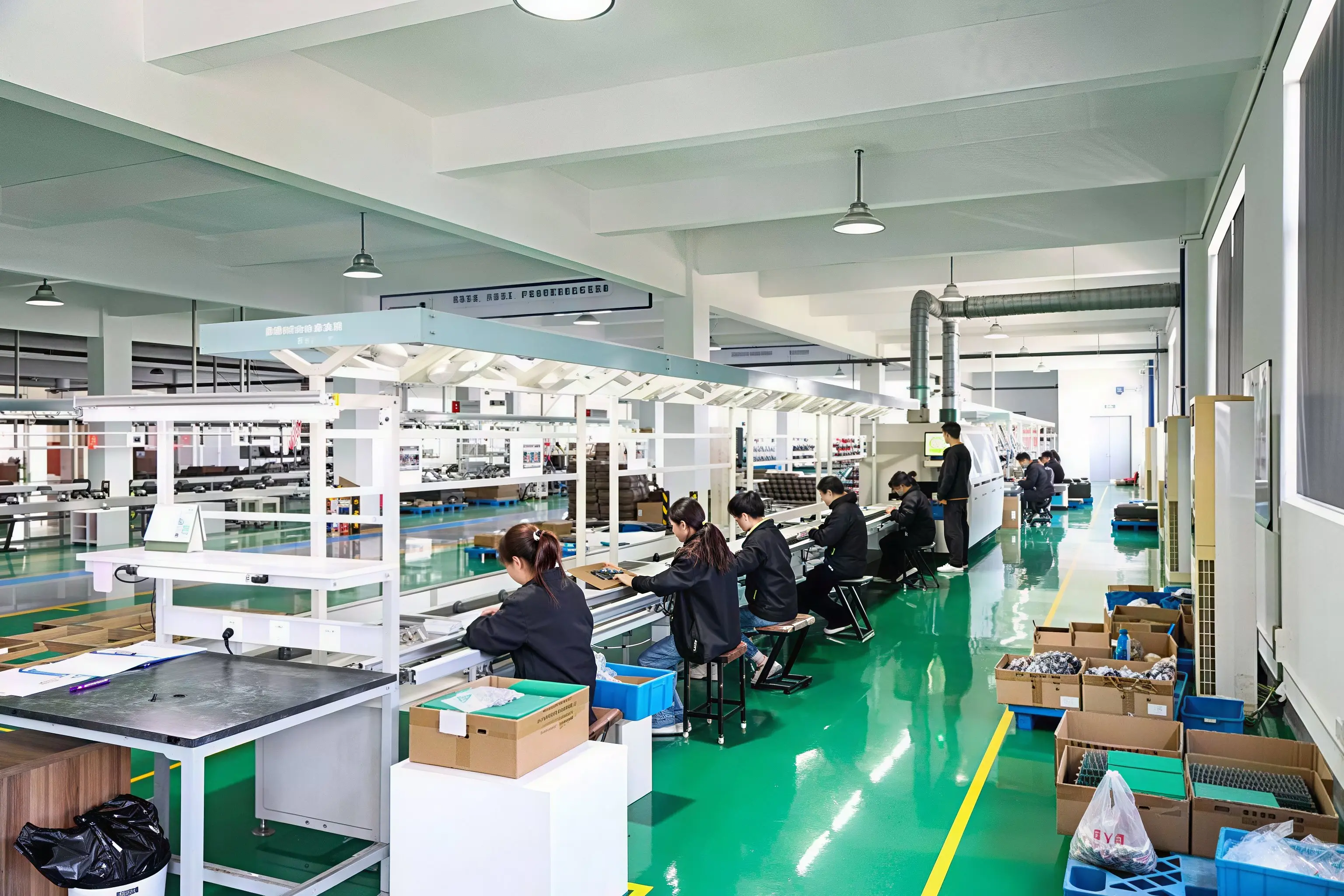
Selecting reliable weather sensor manufacturers is one of the most critical decisions for system integrators, environmental engineers, and smart agriculture operators. Outdoor meteorological sensors must withstand extreme ultraviolet exposure, torrential precipitation, freezing temperatures, and corrosive atmospheric conditions while maintaining measurement stability over years of unattended operation.
The global meteorological instrumentation market features established European and North American heritage brands alongside dynamic Asian manufacturing innovators offering agile OEM/ODM customization. Below is our engineering review of the Top 10 Weather Sensor Manufacturers in 2026 based on technical reliability, sensor portfolio breadth, and total cost of ownership.
1. Vaisala (Finland)
Headquartered in Vantaa, Finland, Vaisala is recognized globally as the gold standard for national meteorological services, commercial aviation, and high-tier synoptic observation networks. Best known for their precision BAROCAP® barometric pressure sensors, HUMICAP® capacitive thin-film humidity elements, and forward-scatter present weather detectors, Vaisala provides reference-grade instruments that comply with the strictest World Meteorological Organization (WMO) standards.
- Core Strengths: Aviation-grade runway visibility sensors, synoptic weather transmitters, radiosondes.
- Typical Applications: Commercial airports, national weather bureaus, defense networks.
2. Campbell Scientific (USA)
Campbell Scientific (Logan, Utah) is synonymous with rugged research-grade environmental data loggers and modular automatic weather stations. Rather than focusing solely on individual sensing heads, Campbell excels in providing complete scientific data acquisition platforms compatible with SDI-12, RS-485, and analog inputs, backed by their powerful CRBasic programming language.
- Core Strengths: Programmable industrial data loggers, flux tower eddy covariance instrumentation, solar resource assessment stations.
- Typical Applications: Academic research, renewable solar farm monitoring, hydrology networks.
3. Virtue Instrument / Virtue Technology (China)
Headquartered in Chengdu's high-tech industrial manufacturing hub, Virtue Instrument has emerged as a premier manufacturer specializing in solid-state 2D ultrasonic wind sensors, optical traffic sensors, and integrated microclimate stations. Virtue distinguishes itself by bridging the gap between high-precision industrial performance and commercial cost-effectiveness.
By engineering solid-state instruments with ultra-low power consumption (such as the VT-WDC2E Ultrasonic Anemometer drawing just 15 mA @ 5 VDC), Virtue provides ideal hardware for solar-powered off-grid stations, road weather information systems (RWIS), and precision agriculture. Furthermore, Virtue operates a flexible in-house R&D production line offering tailored OEM/ODM customization for industrial IoT system integrators seeking private-label hardware.
- Core Strengths: Low-power ultrasonic wind sensors (0 moving parts), UV-resistant ASA polymer housings, multi-protocol integration (Modbus-RTU, SDI-12, NMEA-0183), and agile OEM/ODM contract manufacturing.
- Typical Applications: Smart agriculture and irrigation, highway road weather stations, offshore buoys, distributed IoT weather grids.
4. Gill Instruments (United Kingdom)
Based in Lymington, UK, Gill Instruments has over 35 years of engineering heritage focused primarily on ultrasonic acoustic transit-time measurement. Gill pioneered the WindSonic and WindMaster 2-axis and 3-axis ultrasonic anemometers, eliminating mechanical bearing failures across maritime safety and harsh industrial environments.
- Core Strengths: 2D and 3D ultrasonic anemometers, compact MaxiMet integrated multi-parameter stations.
- Typical Applications: Marine vessels, offshore wind platforms, hazardous area monitoring (ATEX).
5. OTT HydroMet / Lufft (Germany)
Part of Danaher's water quality and environmental group, OTT HydroMet combines legacy German instrument engineering from Lufft with hydrological measurement systems. Lufft's WS-series compact all-in-one weather sensors and radar-based precipitation gauges are benchmarks in European highway traffic meteorology.
- Core Strengths: Intelligent compact multi-sensors, non-invasive optical road condition sensors, radar precipitation technology.
- Typical Applications: Intelligent transportation systems (ITS), flood warning networks, smart cities.
6. Thies Clima (Germany)
Founded in 1945 in Göttingen, Germany, Adolf Thies GmbH & Co. KG is renowned for high-durability mechanical cup anemometers and first-class certified instruments used in wind farm resource assessment (MEASNET certified) and climate observation.
- Core Strengths: High-precision MEASNET-calibrated cup anemometers, laser precipitation disdrometers, 3D ultrasonic sensors.
- Typical Applications: Wind energy prospecting, turbine power curve validation, meteorological institutes.
7. Lambrecht Meteo (Germany)
With roots dating back to 1859, Lambrecht Meteo (now part of the AEM group) produces traditional mechanical and digital meteorological sensors built to withstand marine corrosion and arctic icing through heavy-duty stainless steel and heated anodized housings.
- Core Strengths: Heavy-duty heated wind sensors, tipping bucket and weighing rain gauges, marine meteorological packages.
- Typical Applications: Naval vessels, commercial ports, polar climate research stations.
8. Davis Instruments (USA)
Headquartered in Hayward, California, Davis Instruments is famous for its Vantage Pro2 line of semi-professional integrated sensor suites. Davis dominates the entry-to-mid commercial tier, providing turn-key modular setups favored by commercial vineyards, schools, and private weather enthusiasts.
- Core Strengths: Highly accessible wireless weather stations, simplified plug-and-play installation, cloud telemetry gateways.
- Typical Applications: Farm microclimate monitoring, educational institutions, personal weather networks.
9. Meter Group (USA / Germany)
Meter Group (formerly Decagon Devices) focuses primarily on the soil-plant-atmosphere continuum. Their ATMOS series of compact weather stations utilizes acoustic rain sensing and sonic anemometry to deliver completely solid-state instruments with zero maintenance demands for environmental research.
- Core Strengths: Low-power research sensors, integrated sonic weather packages (ATMOS 41), soil moisture probes.
- Typical Applications: Agricultural research, canopy ecology, soil hydrology studies.
10. Rotronic / Process Sensing Technologies (Switzerland)
Based in Bassersdorf, Switzerland, Rotronic is universally recognized as the market authority on high-precision relative humidity and temperature transmitters. Their interchangeable HygroClip sensing probes and specialized ventilated meteorological weather shields are widely adopted in reference stations worldwide.
- Core Strengths: Precision capacitive humidity measurement, high-stability temperature probes, naturally aspirated and motor-ventilated radiation shields.
- Typical Applications: Reference climate networks, cleanroom monitoring, industrial drying processes.
Selection Summary: How to Choose the Right Brand for Your Project
When selecting a meteorological instrumentation partner, your choice should match your operational constraints:
- National Synoptic & Aviation Networks: Premium European manufacturers (Vaisala, Lufft) remain standard when projects mandate formal WMO/ICAO certified compliance regardless of cost.
- Academic & Hydrology Research: Platform modularity from Campbell Scientific offers unmatched field flexibility.
- Commercial IoT, Smart Agriculture & OEM Customization: Manufacturers like Virtue Instrument deliver the best balance of performance, modern solid-state technology (such as 15 mA ultra-low power ultrasonic sensing), and accessible factory direct engineering support.
Planning an automatic weather station, road weather project, or looking for custom OEM sensor manufacturing? Contact our technical team at Virtue Instrument to discuss technical datasheets, sample evaluations, and volume integration pricing.