
How to Select a Road Weather Station: Sensors, Data, and Integration
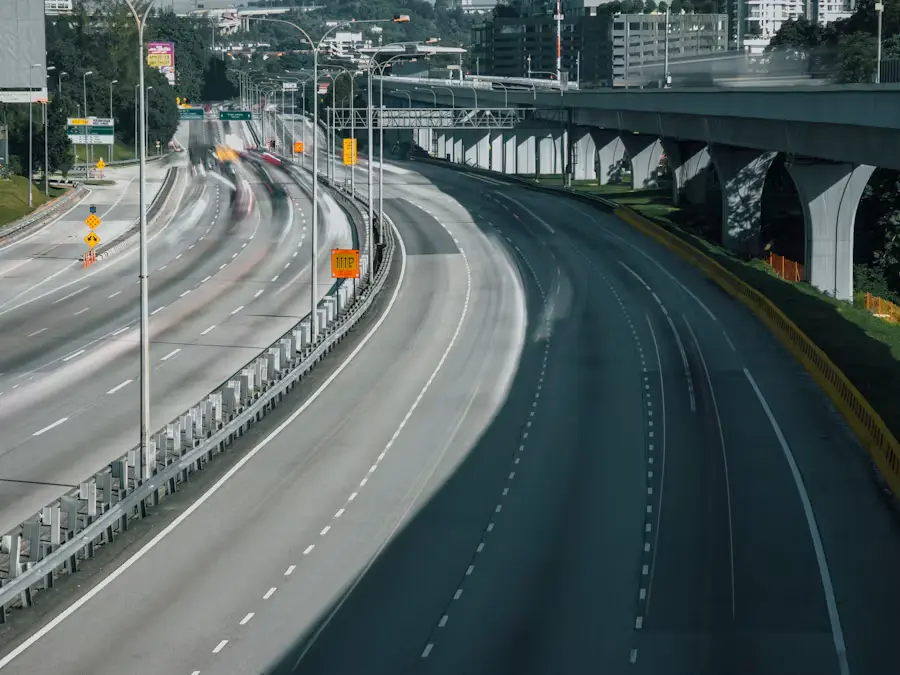
Road weather monitoring helps transportation authorities and road operators observe environmental conditions that may affect road operations. Depending on the location and system design, monitoring may include air temperature, humidity, wind, precipitation, visibility, road surface temperature, and indicators of surface wetness or freezing conditions.
Choosing a road weather station is therefore not simply a matter of buying a standard weather station and installing it beside a road. The system should be designed around the monitoring objective, the local climate, the road geometry, the required measurements, and how the resulting data will be used.
This guide outlines the main decisions involved in selecting a road weather station, from sensor configuration and installation to communications, data quality, and maintenance.
1. Define the Purpose of the Monitoring System
Begin by identifying the operational decisions the system is intended to support. Different roads and operating environments may require different combinations of measurements.
- Winter road monitoring: May prioritize road surface temperature, air temperature, precipitation, and suitable indicators of freezing or surface conditions.
- Visibility monitoring: May be important at locations exposed to fog, mist, dust, or other visibility-reducing conditions.
- General meteorological monitoring: May require wind, temperature, humidity, pressure, and precipitation observations.
- Network-wide monitoring: May require standardized data formats, remote communications, centralized software, and consistent maintenance procedures across multiple sites.
These examples are starting points, not universal sensor configurations. The project owner should define the required variables, intended use, applicable standards, and operational responsibilities before selecting equipment.
2. Choose Sensors Based on the Measurements Required
2.1 Air Temperature and Humidity
Air temperature and relative humidity provide information about atmospheric conditions around the road. They can contribute to the interpretation of other measurements, particularly during changing weather conditions.
Review the required measurement ranges, accuracy, response characteristics, environmental protection, and installation requirements. Sensor placement should follow the project's technical specification and the manufacturer's guidance.
2.2 Wind Speed and Direction
Wind observations can help characterize local conditions and provide additional context for road weather monitoring. Depending on the site, the project may require wind speed, wind direction, or both.
Consider the measurement range, specified accuracy, mounting location, expected wind exposure, environmental conditions, and data interface. Roadside buildings, barriers, trees, and terrain can affect airflow, so the installation position should be assessed carefully.
For a more detailed comparison of wind sensor technologies, read Ultrasonic vs. Cup Anemometer.
2.3 Precipitation
Precipitation measurements can help operators understand rainfall and other conditions relevant to the monitoring objective. The required instrument depends on the type of precipitation to be observed and the environmental conditions at the site.
Before choosing a rain gauge, check its measurement method, resolution, operating limits, installation requirements, and suitability for the expected precipitation types. Snow and freezing precipitation may require specialized arrangements.
2.4 Visibility
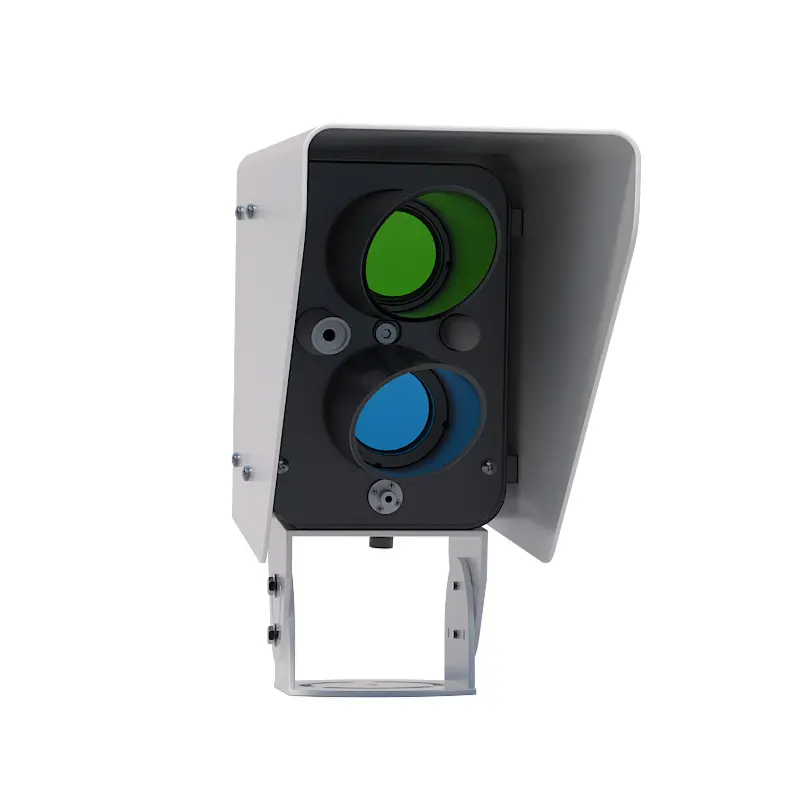
Visibility sensors can provide measurements relevant to sites where fog, mist, dust, or other atmospheric conditions may reduce visibility. Their suitability depends on the measurement method, specified range, environmental conditions, maintenance access, and operational requirements.
Read our visibility sensor selection guide for more information about measurement principles and the factors to compare.
2.5 Road Surface Temperature and Surface Condition
Road surface temperature is different from air temperature. A road surface can cool or warm at a different rate from the surrounding air, depending on factors such as radiation, material properties, moisture, weather, and heat exchange with the environment.
Where the project requires road surface temperature, select an instrument designed for that measurement and installation method. If the system must identify surface wetness, freezing, or ice-related conditions, confirm exactly what the proposed sensor measures and what conclusions its output can support.
Do not assume that a surface temperature reading alone confirms the presence or absence of ice. The monitoring method and interpretation should follow the equipment documentation and the project's operational requirements.
3. Decide Between a Standard and a Customized Configuration
Some projects can use a standard combination of meteorological sensors. Others need additional instruments or a customized configuration because of local climate, road geometry, available infrastructure, or operational requirements.
When evaluating a proposed configuration, ask:
- Which variables are measured directly?
- Which values are calculated from other measurements?
- Which environmental conditions are within the sensor's stated operating limits?
- Are any measurements optional or dependent on separate hardware?
- Does the configuration satisfy the project's specification?
Document the sensor list and intended function of each instrument. This makes it easier for the supplier, system integrator, and project owner to confirm the proposed design.
4. Evaluate the Installation Site
Site assessment is a key part of planning a road weather station. A sensor can only provide useful observations if its installation is suitable for the variable being measured and the intended use of the data.
Review:
- Road geometry: Curves, bridges, tunnels, elevation changes, and exposed sections may create different local conditions.
- Nearby obstructions: Buildings, trees, barriers, and other structures may affect wind, radiation, or sensor exposure.
- Environmental exposure: Consider salt, dust, spray, vibration, extreme temperatures, precipitation, and icing.
- Mounting options: Confirm that the required pole, mast, bracket, or other mounting arrangement can be installed safely and correctly.
- Maintenance access: Plan how technicians can inspect, clean, or replace equipment.
- Power and communications: Confirm the availability and reliability of power and network connectivity.
Installation requirements can differ by sensor type. Follow the equipment documentation and applicable project standards rather than applying one mounting rule to every instrument.
5. Confirm Data Acquisition and Communications
A road weather station usually forms part of a wider monitoring system. Sensors, data loggers, controllers, communications equipment, and central software must work together as intended.
Before finalizing the equipment, confirm:
- Electrical interfaces and supported communication protocols.
- Supply voltage and total power requirements.
- Data formats, units, timestamps, and reporting intervals.
- Required communications technology and coverage at the site.
- Data storage, remote access, and monitoring software compatibility.
- How missing, delayed, or implausible measurements will be identified.
For a network of stations, consistency in naming, units, configuration, timestamps, and data handling can simplify monitoring and maintenance across sites.
6. Plan for Environmental Protection and Maintenance
Roadside equipment may be exposed to vehicle spray, dust, salt, vibration, temperature extremes, and difficult maintenance conditions. Review the environmental specifications of each component rather than relying only on the general description of the complete station.
Prepare a maintenance plan that addresses cleaning, visual inspection, sensor verification, calibration where applicable, connection checks, and replacement procedures. The schedule should reflect the instrument documentation, site conditions, and project data quality requirements.
For remote sites, also consider spare parts, technician access, remote diagnostics, and how the system reports sensor faults or communication failures.
7. Prepare a Road Weather Station Specification
Before requesting a quotation, prepare a concise project specification. Include the information below wherever it is available.
- Project location and climate: Describe the expected operating environment.
- Monitoring objective: Explain what decisions the system is intended to support.
- Required variables: List every required measurement and distinguish mandatory from optional sensors.
- Performance requirements: Define measurement ranges, accuracy requirements, and data intervals.
- Environmental requirements: Identify icing, corrosion, dust, vibration, and other relevant exposures.
- Integration requirements: Specify interfaces, protocols, power, communications, and software compatibility.
- Installation conditions: Describe mounting arrangements, access restrictions, and available infrastructure.
- Compliance and documentation: List the standards, reports, manuals, and project documents required.
- Service expectations: Identify maintenance, spare parts, warranty, and support needs.
8. Common Selection Mistakes
Choosing Sensors Before Defining the Objective
A long sensor list does not guarantee that the system measures what the project actually needs. Define the monitoring objective first, then select the measurements.
Assuming All Outdoor Sensors Are Equally Protected
Outdoor suitability depends on the exact instrument and the environment. Verify the stated limits for each component.
Ignoring Integration Requirements
A sensor with suitable measurement performance may still be unsuitable if its output, power requirements, or data format cannot be supported by the existing system.
Confusing Measurements with Conclusions
A measured variable is not always the same as a final operational assessment. For example, road surface temperature and direct detection of ice are different functions. Confirm what each sensor measures and how the monitoring system interprets the data.
Conclusion
Selecting a road weather station requires a system-level approach. Begin with the road operator's objectives, identify the required measurements, assess site conditions, and verify sensor specifications, installation requirements, communications, and maintenance arrangements.
A well-defined project specification helps suppliers recommend suitable equipment and helps project teams evaluate proposals consistently.
For general sensor selection principles, see our Weather Sensors: Types, Applications & Selection Guide. To discuss a specific project, contact Virtue Instrument with your required measurements, site conditions, and integration needs.
References and Further Reading
- World Meteorological Organization (WMO), Guide to Instruments and Methods of Observation (WMO-No. 8). Consult the relevant chapters for meteorological observation methods.
- Applicable national road weather monitoring guidance and project specifications. Requirements vary by jurisdiction and operational purpose.
- Manufacturer datasheets and installation manuals for the exact sensors, data loggers, and communications equipment proposed for the project.
Technical note: This article provides general project-planning guidance, not a substitute for a site-specific engineering assessment or applicable road safety requirements.